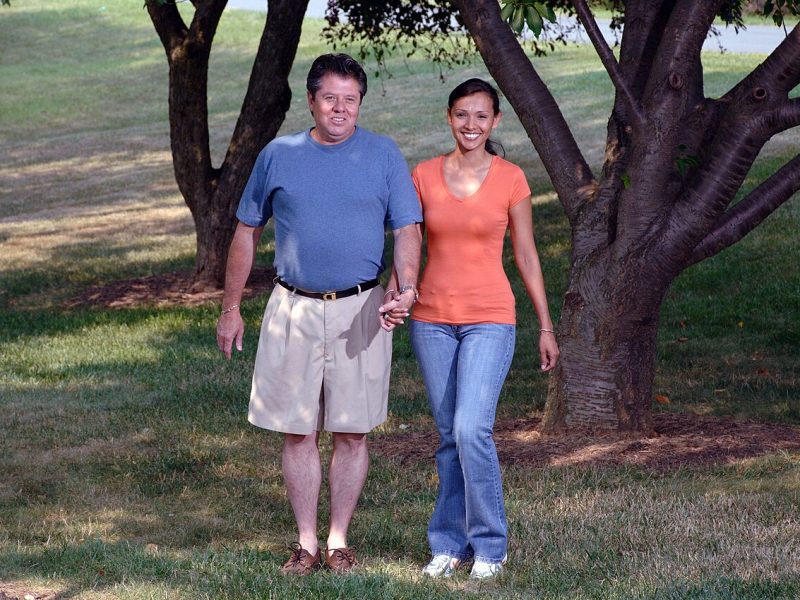
Chatting for days tells you a match’s taste in memes and very little about whether you will feel comfortable across a table from them. The venue shapes most of what can go right or wrong at that first meeting. Here is what makes a spot a good one and which suggestions to question.
What Makes a Good First-Meeting Spot
You do not need a complicated rubric. A solid spot checks most of these boxes:
- Public and staffed. A coffee shop, cafe or bar with plenty of people and employees around.
- Familiar to you. A neighborhood you know, where you understand the parking, the layout and the exits.
- Easy to leave. Drive yourself, take your own rideshare or use transit so you never need your date for a ride.
- Neutral territory. Not their apartment or a friends-only spot where they are a regular.
- Short by default. A coffee or a single drink extends easily if it goes well and ends easily if it does not.
Good move
Coffee or a drink at a busy spot you know covers nearly every requirement.
Venues to Think Twice About
Some suggestions deserve a second look, especially from someone you have never met:
- Private homes, theirs or yours. A first meeting is still a meeting with a stranger.
- Their car, or being picked up at your door. Independent transportation both ways, always.
- Remote places. A trail, a beach at dusk or a quiet spot outside town limits your options if something feels wrong.
- Venues near your home. A spot around the corner tells a stranger where you live.
- Out-of-town meetings. Traveling for a first date with someone you have only texted stacks risk on risk.
Romance scammers often cannot meet at all. They say they work far away, are stationed overseas or are stuck traveling, and they may chat several times a day. If your match always has a reason to cancel, slow down. The FTC warns never to send money or gifts to someone you have not met in person, and to treat any request for gift cards, wire transfers or cryptocurrency as a scam.
How to Check Out a Venue Before You Say Yes
Vetting a place takes about five minutes:
- Confirm it exists. Search the name on a map. A real address with a real business attached is a basic filter.
- Check the hours. Make sure it is open when you plan to meet and not closing mid-date.
- Read the room remotely. Reviews and photos tell you whether it is busy or quiet, sit-down or walk-in, and roughly what it costs.
- Plan your transportation. Know where you will park and how you will get home.
- Set your own window. Decide roughly how long you will stay before you arrive.
Before any of this, a short video call confirms the profile photos show the same person and lets you hear how they come across. Getting Started With Video Calls Before Meeting a Match explains how to set one up.
When Your Match Picks the Place
Many people simply suggest a spot, and often it is a good one. When someone you have not met picks the venue, ask a few questions first: where is it, and does it pass the public, staffed, easy-to-leave test?
If anything makes you uneasy, counter with an alternative instead of absorbing the discomfort. “That is a bit far for me, want to meet at this coffee shop instead?” is a normal suggestion, and how they respond is useful information. Pushback, sulking or pressure to come to their place instead are early red flags.
Watch for requests to move the conversation off the app, too. Dating apps come with reporting tools and other built-in protections that texting and social media do not have, so pressure to switch channels quickly is a sign to slow down. Keep the conversation in the app until plans are set.
Before You Go, and If the Spot Feels Wrong
The FTC advises talking to someone you trust about a new love interest and paying attention if they have concerns. Tell a friend who you are meeting, where, when and roughly when you expect to be done, then text when you get home. If you have not given the match your number yet, scheduling in the app is one more layer of privacy.
You are allowed to leave. If the venue is not what was described, the person seems different from their profile or your gut says something is off, end the date early; you do not owe a long explanation. A few exit lines that work:
- “Thanks for meeting, this isn’t a match for me. Take care.”
- “I need to head out. Good luck with everything.”
Ask staff for help if you ever feel unsafe getting out; they handle it more often than you would think. If the date goes well, extending it is easy.
Your first step is small: pick one nearby place you already know and like, and make it your default first-date venue.
Read this next
- First Date Safety: A Practical Checklist for Meeting Someone New covers the rest of the setup, from arriving to getting home.
- Is Your Match Real? How to Check Before You Meet explains how to vet a match before you agree to a venue.
- Getting Started With Video Calls Before Meeting a Match shows how a short call can screen out fake profiles.
To keep in mind
- A good first-meeting spot is public, easy to leave, in an area you know, and not a long drive away.
- Before saying yes, check that the venue actually exists, is open when you plan to go, and is busy enough to have staff and other people around.
- Never send money or gifts to someone you have not met in person, and treat any request for gift cards, wire transfers or cryptocurrency as a scam.
- Keep the conversation in the dating app until you have verified the match and agreed on plans, since apps have reporting tools that text or social media lack.
- Share your plan with a trusted friend, including the place, time and roughly when you expect to be done.
Asked often
Why does the meeting spot matter so much for a first date?
A first meeting is still a meeting with a stranger, no matter how good the chat has been. A public place with staff and other people around, in an area you know, gives you control over your own transportation and an easy exit if things feel off.
What if my match suggests a place I have never heard of?
Look it up on a map, check that it is open at the time you plan to meet, and read how other people describe it. If it is far away, hard to leave or they resist a more neutral alternative, it is reasonable to decline or reschedule.
Should I meet somewhere private if the conversation feels really good?
Keep first meetings in public regardless of chemistry. A strong connection survives a coffee or a drink in a busy place, and you can plan something more private once you have actually met and built some trust.
What if the person keeps making excuses not to meet at all?
Someone with endless reasons to avoid a simple public meeting, or who refuses a short video call first, may not be who they claim to be. The FTC describes this pattern as typical of romance scammers, so it is fine to walk away.
This guide is general information, not medical, legal or professional advice. If you’re in danger, call 911. For confidential support, contact the National Domestic Violence Hotline at 1-800-799-7233 or RAINN at 1-800-656-4673.